One of the most useful baking lessons is also one of the hardest to trust: sometimes the next step is to leave the dough alone.
When people bake for the first time, they often think the answer is more effort. More kneading. More flour. More pushing. More fixing. The dough feels sticky, so they add flour. It shrinks back, so they pull harder. It tears, so they press more. But dough is not only a material to control. It is alive with time, water, flour, salt, yeast, and touch.
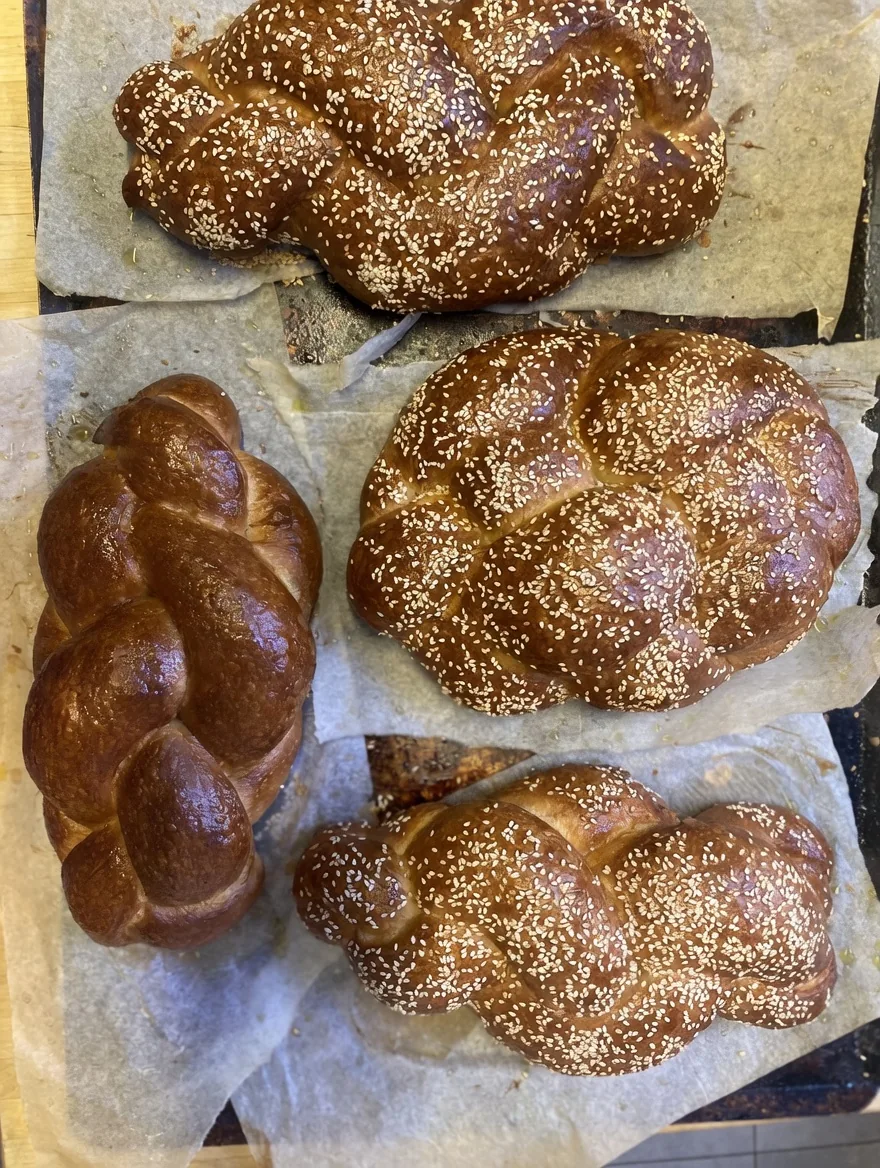
In a workshop, I watch this happen all the time. Someone rolls out dough and it keeps snapping back. Someone tries to braid challah and the strands feel tight. Someone stretches pizza dough and the center gets thin while the edges refuse to move. The instinct is to fight it. The better move is usually simpler: cover the dough and let it rest.
When dough rests, a few important things happen. The flour keeps absorbing water. Gluten relaxes. Yeast continues working. The dough becomes smoother, more elastic, and easier to shape. It may look like nothing is happening from the outside, but inside the dough is becoming more workable.
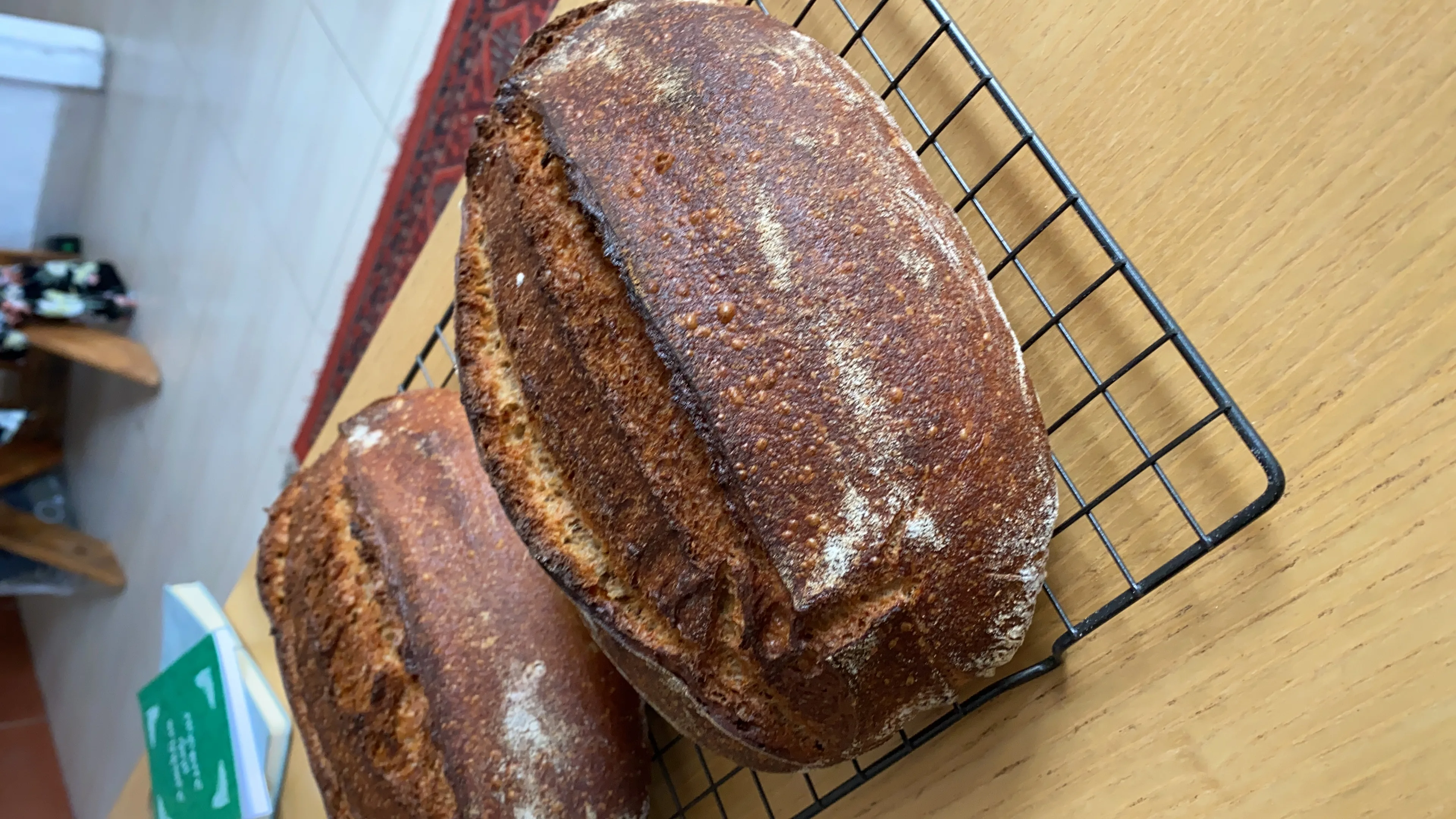
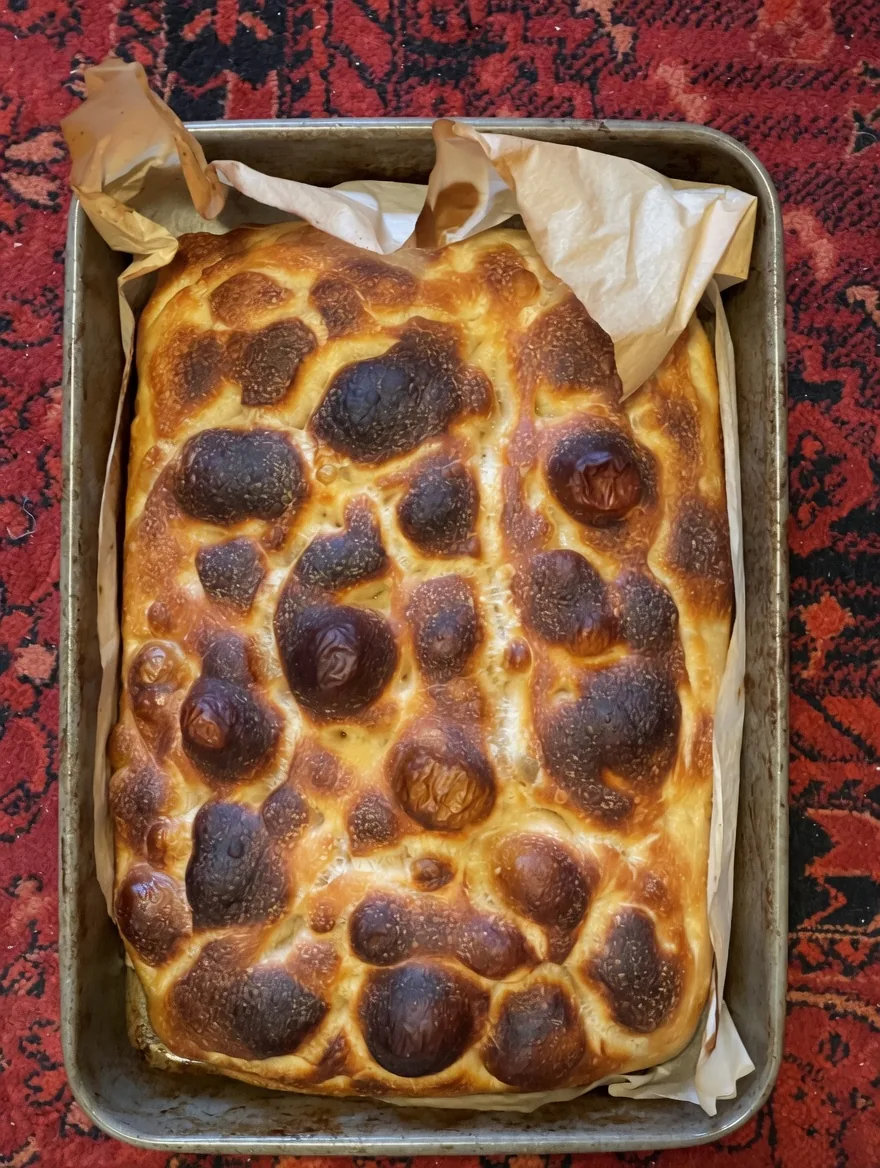
This matters for almost every kind of baking. Challah needs rest so the strands can roll smoothly and braid without tearing. Pizza dough needs rest so it can stretch wide without snapping back. Focaccia needs rest so it can become airy and relaxed enough to dimple. Sourdough needs rest because flavor and structure are built slowly.

Why Dough Pushes Back
Dough pushes back because gluten is elastic. Gluten is the network that forms when flour and water are mixed. It gives bread structure. It helps trap gas. It lets dough stretch without falling apart. But when gluten is tight, the dough behaves like a rubber band.
You can feel this when you try to roll or stretch dough and it keeps returning to its old shape. That is not failure. It is information. The dough is telling you it needs a rest before it can move further.
Adding more flour may make the dough feel less sticky for a minute, but it can also make the final bread dry and heavy. Pulling harder may stretch the dough, but it can tear the structure you are trying to build. Rest solves the actual problem. It gives the dough time to loosen.
Rest Builds Flavor Too
Rest is not only about shaping. It is also about flavor. In bread, time allows fermentation to develop. Yeast creates gas, but it also creates flavor. A dough that rises slowly often tastes deeper and more complete than dough rushed through the process.
This is especially clear with sourdough, but it is true in simpler breads too. A little patience can turn flour and water into something with aroma, texture, and character. You smell the difference when dough has had time. You taste it in the crust and crumb.
That does not mean every dough needs to take days. It means time is an ingredient. Sometimes you use a lot of it. Sometimes you use a little. But you should know what it does.
How to Use Rest in Your Kitchen
You do not need to memorize complicated rules. Start with these habits.
- Cover the dough. Rested dough should not dry out. Use a bowl, towel, lid, or plastic wrap depending on the dough.
- Wait before adding flour. Sticky dough often becomes easier after ten or fifteen minutes.
- Let tight dough relax. If it snaps back while shaping, stop and give it a short rest.
- Use rest between steps. Mix, rest, shape, rest, bake. Many good breads follow that rhythm.
- Look for change. Dough should feel smoother, softer, puffier, or more relaxed after resting.
- Trust the feel, not only the clock. A timer helps, but dough is ready when it shows you it is ready.
A short rest can be as little as ten minutes. A longer rise may be an hour or more. Sourdough may need much longer. The exact time depends on the dough, the room temperature, the recipe, and what you are trying to make.
The important thing is learning the habit. When dough resists you, do not panic. Do not immediately add flour. Do not assume you ruined it. Cover it, step back, clean the counter, prepare the next thing, and come back.
A Better Way to Bake
Baking teaches patience in a very practical way. Not patience as an idea. Patience you can feel under your hands. You learn that forcing dough usually makes the work harder. You learn that waiting can make the dough softer, stronger, and easier to handle.
That is one of the things I like most about teaching bread. People start to understand that skill is not only knowing what to do. It is knowing when to stop. Knowing when to let the dough catch up. Knowing when time is doing the work for you.
The next time your dough feels stubborn, try this before you fix anything: cover it and wait. Ten minutes later, it may feel like a different dough.
That is not magic. That is baking.