A lot of good cooking happens before the pan gets hot.
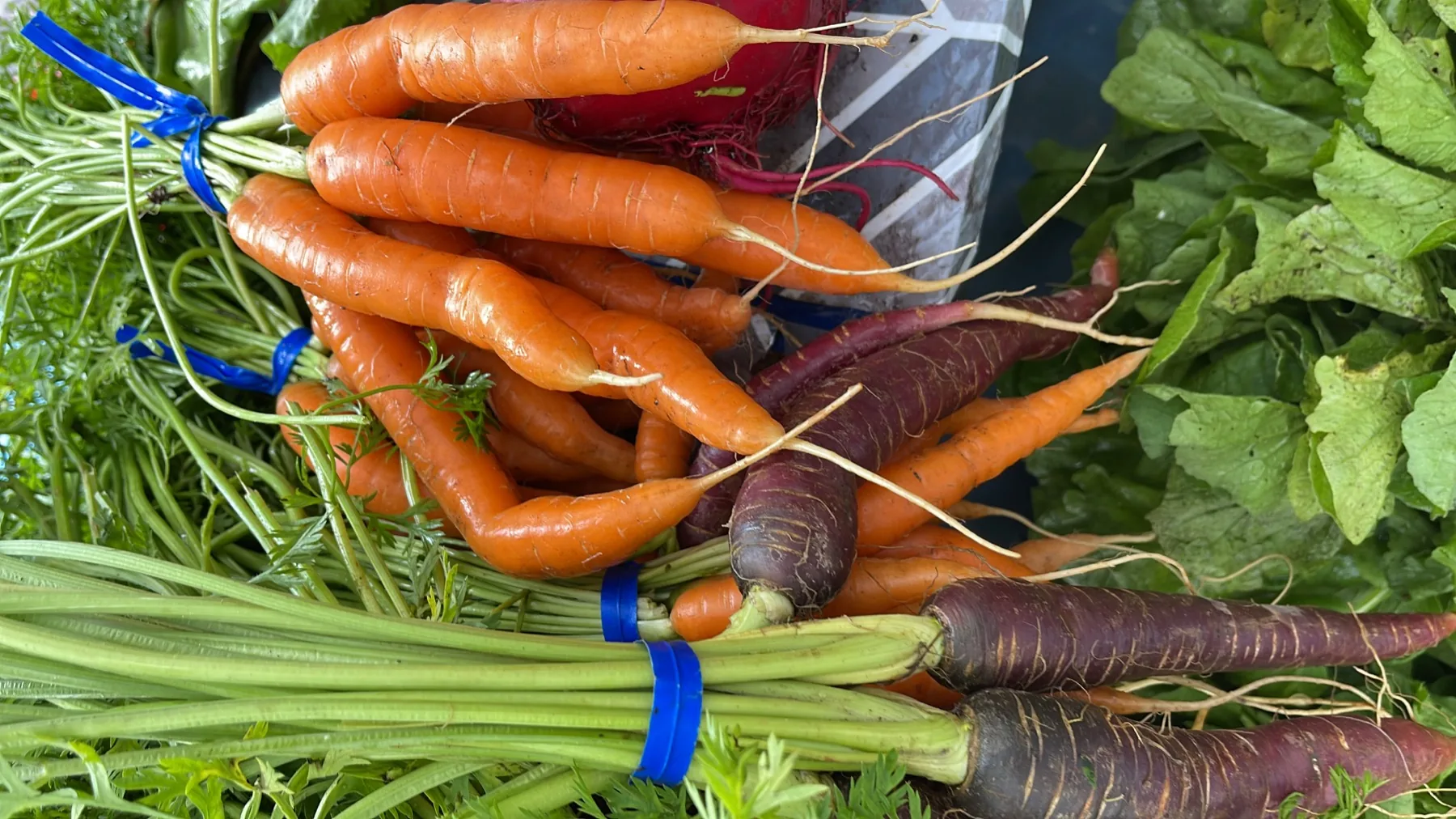
It starts when you choose the ingredients. A tomato that smells like summer. An apple that makes you stop after the first bite. Vegetables that are in season and full of flavor. Olive oil that tastes alive. These things do not need much help. They already have something to say.
When ingredients are fresh and good, cooking becomes simpler. You are not trying to cover anything up. You are setting the stage for the food to shine. That matters for flavor, and it matters for health too.
Good ingredients help you cook with less force. You do not need to lean so hard on salt, fat, sugar, heavy dressings, or too much seasoning. Those things all have their place, but they should support the food, not rescue it. When the vegetable underneath has no flavor, we try to make up for it. When the salad is flat, we drown it. When the bread is dull, we cover it.
When the ingredients are at their best, you can relax. You can cook with more confidence. You can use olive oil, salt, pepper, heat, and time, and let the food become itself.
That kind of cooking is healthier because it is built on real food. Vegetables, fruit, herbs, grains, good oil, fresh bread, simple meals. Not perfect food. Not diet food. Just food with life in it. Food that does not need to be hidden under a lot of extra things to taste good.
Think about a really good apple. Most people have had this experience. You take a bite, and suddenly you notice it. It is crisp, sweet, bright, maybe a little tart. You say, "Wow, that is a really good apple." Nobody had to do anything complicated to it. The apple was simply in its moment.
Vegetables can be like that too. When they are fresh, in season, and cooked well, they have a depth that people remember. Take a tray of vegetables, cut them simply, coat them with olive oil, salt, and pepper, and roast them until they are deeply browned. Not pale. Not barely cooked. Let them get color. Let the edges darken. Let the natural sugars concentrate. Then taste them.
This is one of the easiest ways to eat better without making cooking feel stressful. Start with good vegetables. Cook them simply. Let them get delicious. When food tastes good on its own, healthy eating feels less like a rule and more like a pleasure.
That kind of cooking teaches you something. It shows you that simple does not mean boring. Simple means there is nowhere to hide.
Browning Is Flavor
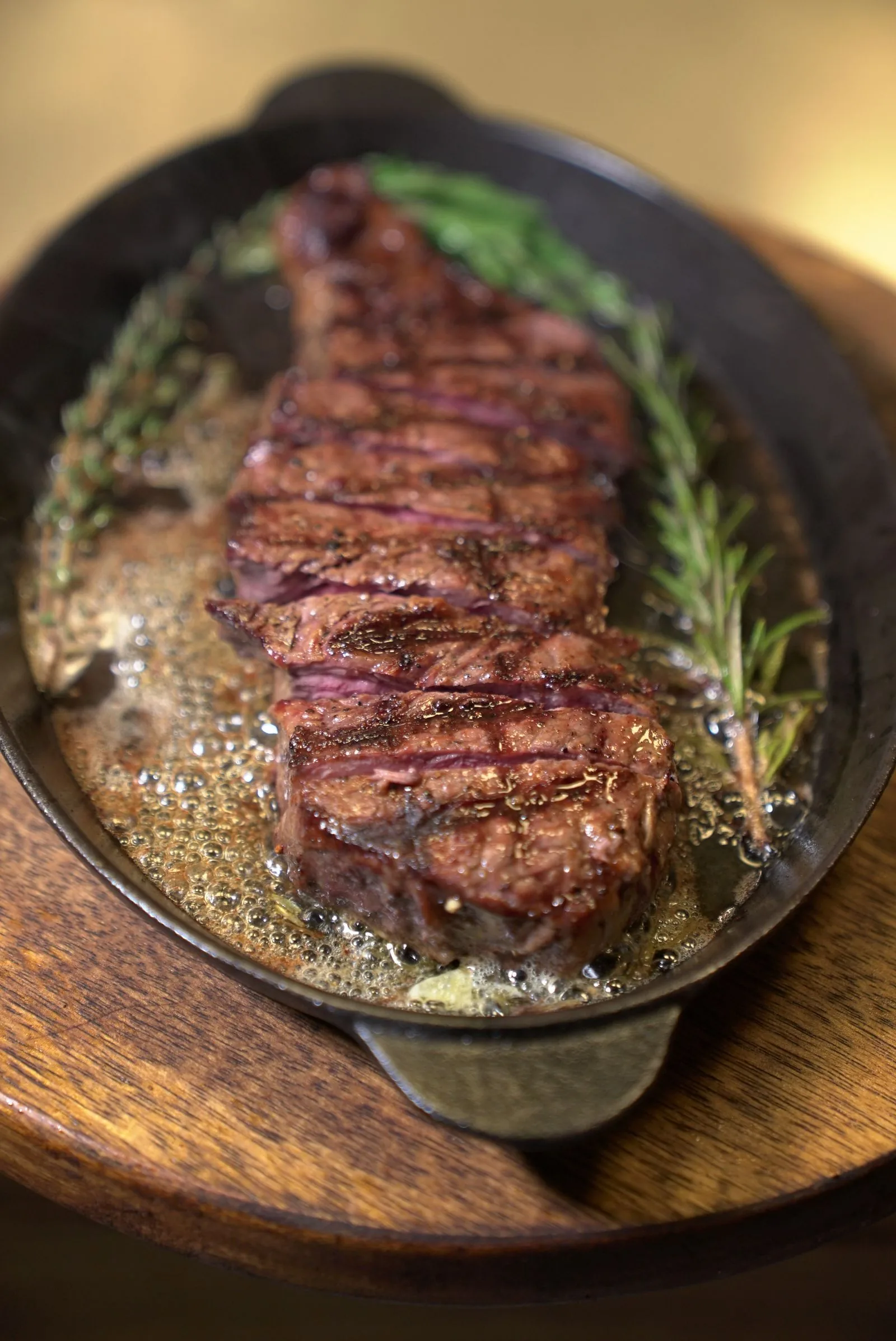
One of the most important things to learn in cooking is how much flavor comes from browning. When vegetables, bread, meat, or pastry become deeply golden, they are not just changing color. They are building flavor.
The name for part of this process is the Maillard reaction. It is what happens when heat transforms proteins and sugars on the surface of food, creating those roasted, toasted, nutty, savory flavors that make food taste rich and satisfying.
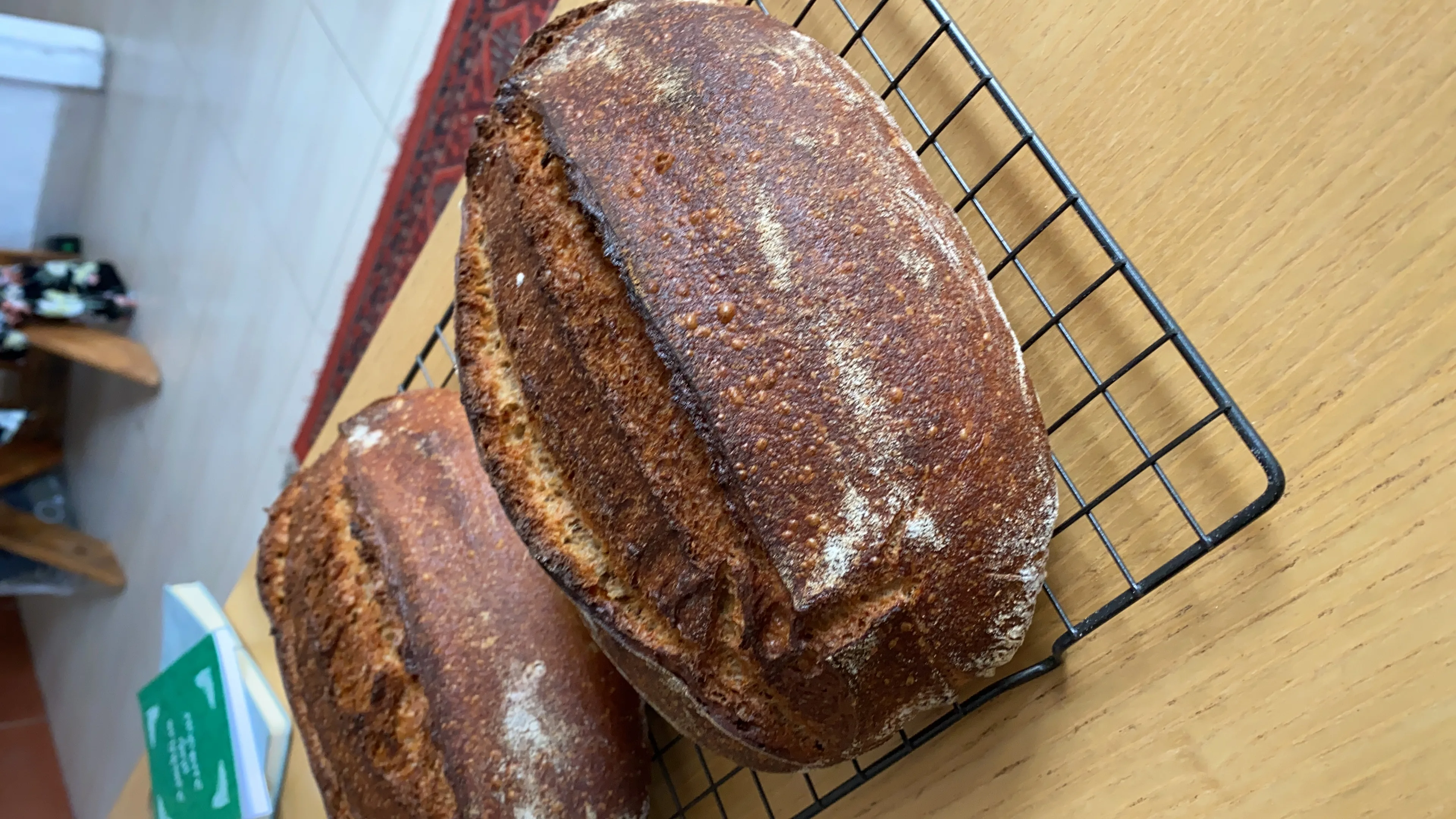
I will write about browning and the Maillard reaction more extensively in another Kitchen Notes post, because it deserves its own space. For now, the simple lesson is this: do not be afraid of color. Pale food usually tastes pale. Deep golden edges, dark roasted spots, and a well-baked crust are often where the best flavor is hiding.
I remember baking a loaf of bread and dipping it into fresh olive oil from a friend's family farm. That was it. Bread and olive oil. I ate the whole loaf, piece by piece, dipping every bite into the oil. It did not need butter. It did not need a spread. The olive oil had so much flavor that the bread became a way to taste it.
That memory stayed with me because it was so simple. It reminded me that good ingredients do not need to be turned into something fancy to be special. Sometimes the best cooking is knowing when to stop.
Fresh ingredients matter for flavor, but they also matter for how food makes us feel. When we cook with vegetables, fruit, good oil, grains, herbs, and food that still has life in it, we feed ourselves differently. We eat with more care. We notice more. We depend less on packaged flavor and more on the actual flavor of the food.
How to Shop Simply
You do not need to be a chef to cook this way. You need to pay attention.
- Use your senses. Smell fruit and vegetables when you can. Good produce often tells you something before you cook it.
- Look for what is in season. A quick guide like Seasonal Food Guide can help you know what is at its best near you.
- Check where it came from. If something is traveling very far, especially out of season, it may not have the same flavor.
- Start with vegetables. They are one of the simplest ways to build healthier meals without making cooking complicated.
- Keep the cooking simple at first. Olive oil, salt, pepper, heat, and time can do more than people think.
- Let food brown. Color means flavor. Do not be afraid of deep golden edges on roasted vegetables.
- Taste before adding more. If the ingredient is good, you may need less than you think.
A simple way to begin is this: buy vegetables that look and smell good. Aim for what is fresh and in season. Cook with olive oil, salt, and pepper. Use enough heat. Let things get dark brown. Then taste.
You might be surprised by how much flavor was already there.
Good cooking does not have to be complicated. Healthy cooking does not have to feel like punishment. It can start with one fresh ingredient, treated with attention. When the ingredient is good, your job is not to hide it. Your job is to help it shine.
That is how I try to cook, and that is how I like to teach.