One of the biggest flavor lessons in cooking is learning not to be afraid of color.
In a workshop, I do not want people to cook only by the clock. Timers help, but they do not know what your oven is doing. They do not know how crowded the pan is, how wet the vegetables were, how thick the steak is, or how hot the pan really got. The better habit is to look for when the food is ready.
A lot of the time, ready means browned. Not black. Not burnt. Browned. Deep golden edges on roasted vegetables. A crust on a steak. The sticky dark layer at the bottom of a pan after something has been cooked well. A challah that looks glossy and bronzed instead of pale. That color is not just decoration. It is flavor being built.
The food-science name for part of this is the Maillard reaction. It is what happens when heat changes proteins and sugars on the surface of food and creates new flavors. Toasted, roasted, savory, nutty, meaty, crusty flavors. It sounds technical, but in the kitchen the lesson is simple: give food enough heat, enough time, and enough space to become more flavorful.
I remember making lasagna and seeing the top turn brown. At first, that can feel like a warning. You think, did I go too far? But then you taste it. The browned cheese, the crisp edges, the dark spots on top are the parts people reach for. That is where the lasagna tastes finished.
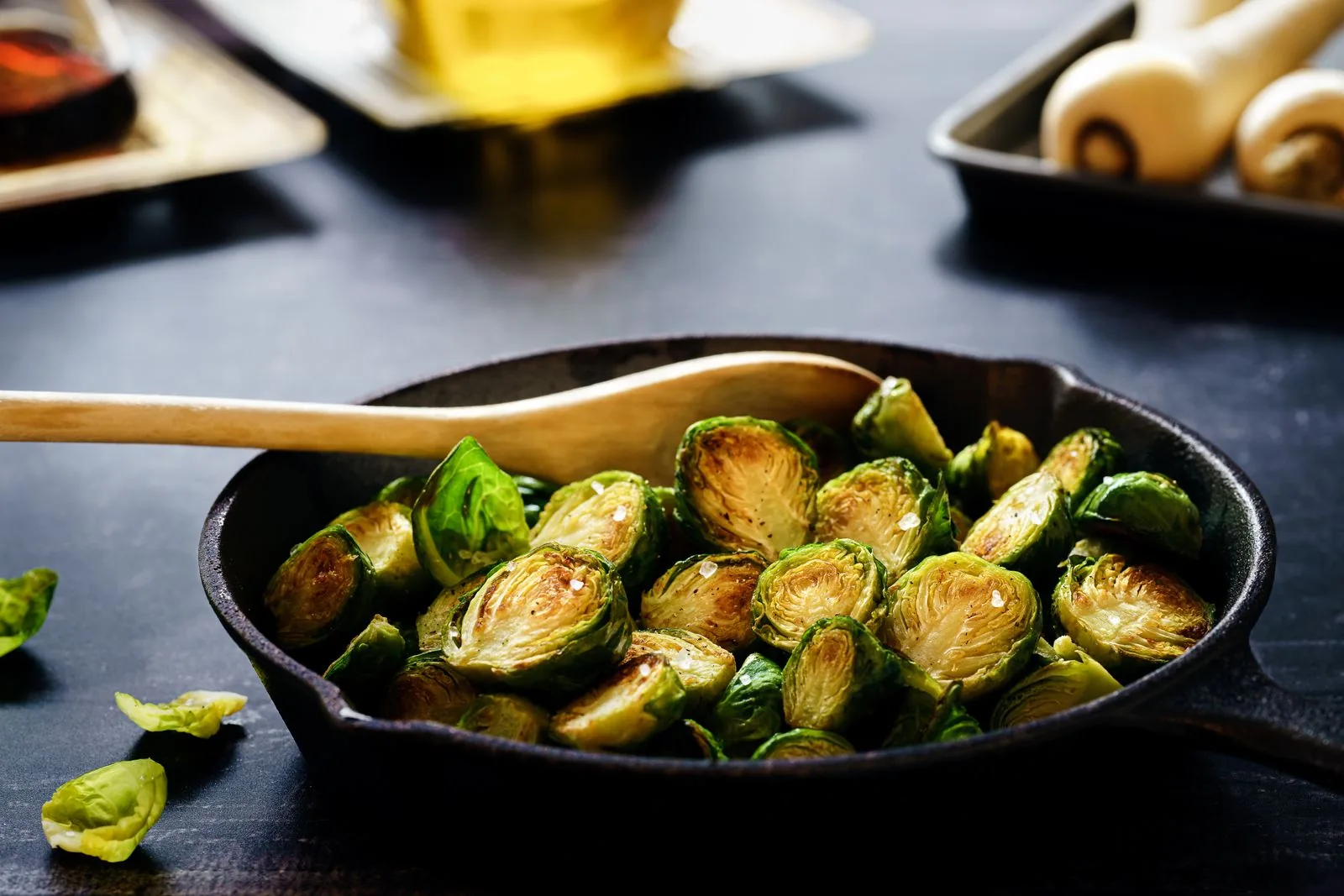
That lesson shows up everywhere. Roasted vegetables are a good place to start because the difference is so clear. Pale roasted vegetables can be soft and still taste flat. Let them go longer. Let the edges darken. Let the natural sugars concentrate. Suddenly the carrot tastes sweeter, the onion tastes deeper, the broccoli tastes roasted instead of just hot.
Steak teaches the same thing in a more dramatic way. If the pan is not hot enough, the meat steams. It turns gray before it gets delicious. But when the pan is hot and the surface of the steak is dry, it can sear. The outside becomes brown and savory while the inside stays tender. That crust is not extra. It is the point.
The bottom of the pan has its own lesson too. After you brown meat or vegetables, you may see dark bits stuck to the pan. In French cooking, those browned bits are called fond. You do not want to waste them. Add a splash of water, stock, wine, or even a little lemon juice, scrape the pan, and suddenly the bottom of the pan becomes sauce. Flavor was waiting there.
Brown Is Not Burnt
This is where people need confidence. Brown and burnt are not the same. Brown smells toasted, savory, sweet, roasted, warm. Burnt smells sharp and bitter. Brown makes you hungry. Burnt makes you want to open a window.
The goal is not to cook everything as dark as possible. The goal is to pay attention. Look at the food. Smell it. Listen to it. Touch it when that makes sense. If vegetables are getting dark on the edges and smelling sweet, they are probably building flavor. If the pan is smoking hard and the food smells bitter, you went past the line.
How to Get Better Browning
You do not need complicated tools. You need a few good habits.
- Dry the surface. Wet food steams first. Pat steak dry. Let vegetables drain. Do not put soaking-wet food in the pan and expect a crust right away.
- Use enough heat. Browning needs real heat. Medium-low has its place, but it will not give you the same crust as a properly hot pan or oven.
- Give food space. A crowded pan traps steam. If vegetables are piled on top of each other, they will soften before they brown.
- Do not move it too soon. Food needs contact with the pan. If you stir every few seconds, you interrupt the browning.
- Look for when it is ready. Use the timer as a guide, but trust color, smell, texture, and sound.
- Use the bottom of the pan. Browned bits are flavor. Scrape them up with liquid and turn them into part of the dish.
A Workshop Way to Think About It
When I teach, I want people to leave with instincts, not just instructions. A recipe can say "roast for 25 minutes," but your job is to notice what is happening. Are the vegetables just soft, or are they browned? Is the steak just cooked, or did it form a crust? Is the lasagna hot, or does the top look finished?
That is the difference between following a recipe and learning to cook. You start to see readiness. You start to notice the signs. You become less nervous about heat and color because you understand what they are doing.
Good browning makes food taste more complete. It takes simple ingredients and gives them depth. It turns the bottom of the pan into sauce. It turns vegetables into something people remember. It turns the top of lasagna into the part everyone wants.
So do not only ask, "Is it done?" Ask, "What am I looking for?" A little more color may be the thing that makes the whole dish come alive.